Dental Treatment Under General Anesthesia for Patients with Special Healthcare Needs
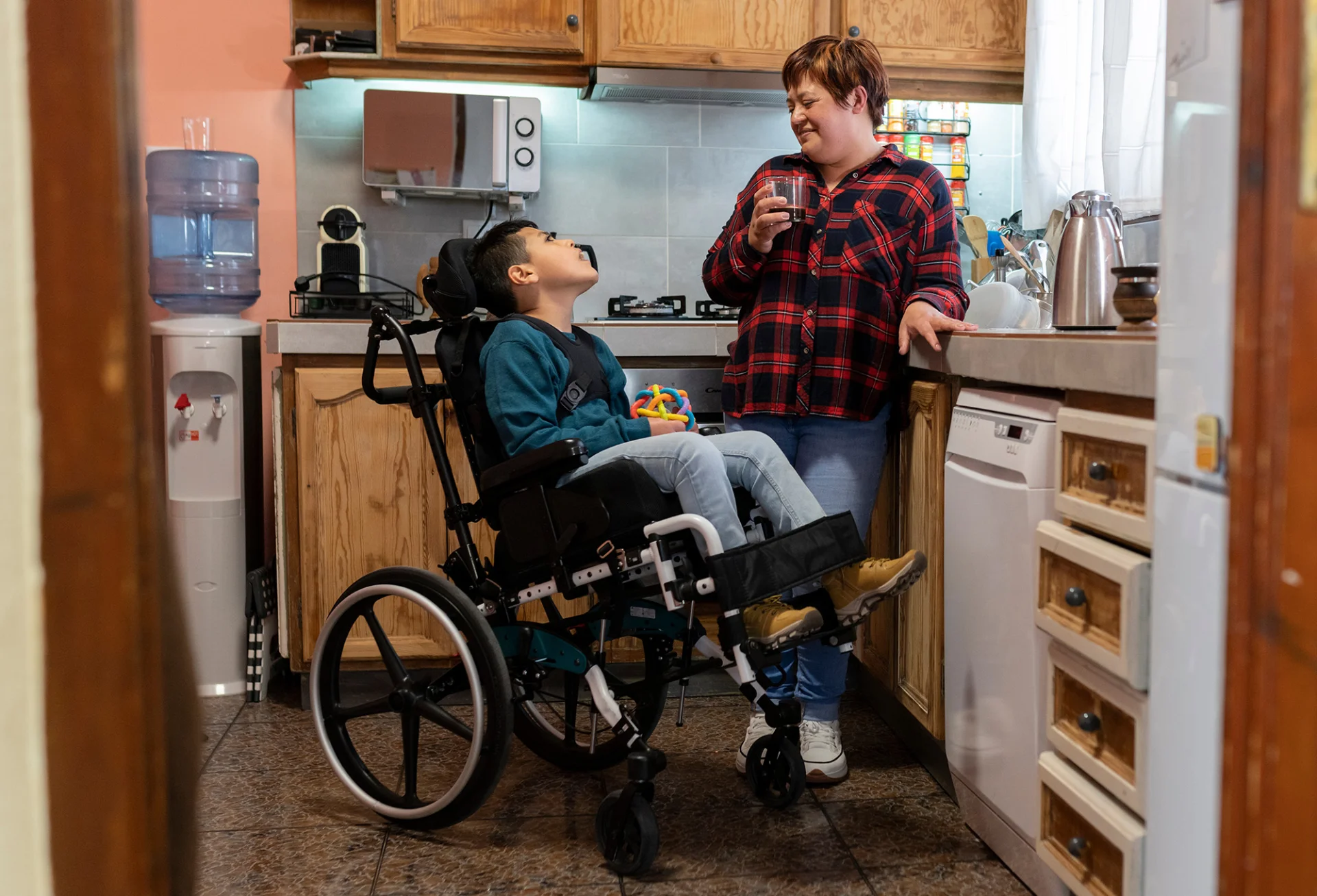
Oral and dental health is part of overall health and affects a person’s eating, speech, day-to-day comfort and quality of life. However, for some individuals with physical, developmental, intellectual, sensory or neurological differences, dental examination and treatment may need to be planned differently from standard practice.
For this reason, dental treatment for patients with special healthcare needsshould be approached not simply as resolving existing problems in the mouth, but as a holistic process in which the person’s way of communicating, general health, daily life and capacity to cooperate with treatment are considered together.
Having special needs does not mean that a person’s dental treatment must be carried out under sedation or general anesthesia. Many individuals can be treated in a conventional dental setting with appropriate communication, environmental adjustments, short appointments and behavioral adaptations.
For some patients, however, because of communication difficulties, involuntary movements, intense anxiety, sensory sensitivities, coexisting health problems or the need for extensive dental treatment, dental treatment under general anesthesia may be considered as one of the options.
The core approach here is not to steer the patient toward a particular method, but to determine which method is feasible for the person’s health, communication capacity and dental needs.
What Does “Patient with Special Healthcare Needs” Cover?
“Special healthcare needs” is a very broad concept. It can include individuals with physical, developmental, intellectual, sensory, behavioral, cognitive or emotional differences who may need additional arrangements when receiving healthcare.
Autistic individuals, people with cerebral palsy, individuals with Down syndrome, patients with intellectual or developmental differences, people with certain neurological conditions and those with limited mobility may all fall within this broad group.
However, two people with the same diagnosis may have completely different dental treatment needs.
For example, one autistic individual may be treated comfortably in a conventional dental chair, while another may be markedly sensitive to light, sound or touch around the mouth.
Therefore, the name of the diagnosis alone does not determine the treatment method.
Why Is Oral Health Important for Patients with Special Healthcare Needs?
Some people with special healthcare needs may find it difficult to carry out daily oral care independently. Limited manual dexterity, movement disorders, communication difficulties, eating patterns and the oral effects of certain medications can change a person’s oral health needs.
That said, it is not accurate to say that every person with special healthcare needs is at high risk of tooth decay or gum disease. The risk varies according to the person’s daily oral care habits, diet, medical condition, medications and access to regular dental care.
Some people with special healthcare needs may face various difficulties in accessing oral health services or maintaining regular care.
Regular oral health assessment is therefore important not only for treating existing problems, but also for helping to reduce the need for more extensive treatment in the future.
Why Can a Dental Examination Sometimes Be Difficult?
The dental environment involves many different stimuli, such as bright lights, the sound of equipment, instruments used inside the mouth and work carried out close to the person’s personal space.
Some people with special healthcare needs may find these stimuli difficult to tolerate.
Limited communication, difficulty expressing pain or discomfort, being unable to stay in the same position for long, involuntary movements or difficulty opening the mouth can all affect examination and treatment.
Sometimes a patient may be able to sit in the dental chair, yet taking intraoral X-rays may be difficult. Another patient may manage an examination but be unable to cooperate during lengthy restorative treatment.
For this reason, rather than thinking in either-or terms — “treatment is possible or it isn’t” — it should be assessed which stages the patient can tolerate.
Behavioral and Environmental Adaptations Can Be Considered First
For patients with special healthcare needs, the first approach is not always general anesthesia.
Gradually familiarizing the patient with the clinical environment, planning short appointments, using language that is as simple and clear as possible, showing what will be done before the procedure, or drawing on the support of a caregiver can make treatment easier for some individuals.
For autistic people or those with sensory sensitivities, environmental adjustments such as reducing light, noise and waiting time can also be helpful.
For some patients, simply completing an examination may be the goal of the first appointment. Small procedures can then be introduced at later visits.
Where possible, the aim is to provide dental care using the least restrictive method, supporting the person’s own capacity and independence.
When May Sedation or General Anesthesia Be Considered?
Behavioral adaptations and conventional clinical methods may not be sufficient for every patient.
For example, for some individuals with severe communication difficulties, those whose involuntary movements make it hard to carry out dental procedures properly, or those who need extensive dental treatment, sedation or general anesthesia options may be considered.
A similar assessment may be made for some individuals with intense dental anxiety.
However, the decision to use general anesthesia should not be based solely on the reasoning that “the patient won’t stay in the dental chair.”
The extent of treatment needed, the feasibility of alternative methods, the person’s general health, the potential benefits and risks of anesthesia, and the care arrangements after treatment should all be considered together.
The feasibility of less restrictive methods, such as local anesthesia, behavioral approaches or, in suitable patients, sedation, may also be taken into account before deciding on general anesthesia.
Assessment Before General Anesthesia
When anesthesia is being planned for a patient with special healthcare needs, not only the dental problems but the person’s entire medical condition is assessed.
It is important to give the anesthesiologist information about existing medical conditions, previous surgeries, past experiences with anesthesia, known allergies and regularly used medications.
The frequency of seizures and the medications used in a person with a history of epilepsy, positioning needs in a patient with limited mobility, or the current medical condition of someone with a respiratory problem can all affect the anesthesia plan.
Some individuals may not be able to describe their own medical history in detail. This is why information provided by family members or caregivers becomes especially important.
Where necessary, the anesthesiologist may request additional information or an assessment from the other doctors who follow the patient.
How Is Dental Treatment Performed Under General Anesthesia?
Once the decision for general anesthesia has been made, the dentist prepares a dental treatment plan that is as comprehensive as possible.
After general anesthesia begins, the patient’s physiological status is monitored by the anesthesia team, while the dentist carries out the dental treatment.
Two separate specialties work together here: the anesthesiologist is responsible for managing the patient’s anesthesia and vital functions, and the dentist is responsible for the oral and dental treatment.
In patients with special healthcare needs, it may not have been possible to complete an examination or X-rays fully before the procedure. In such cases, the treatment plan may need to be changed after a detailed oral examination and the necessary imaging under general anesthesia.
It is important to discuss this possibility beforehand with the family, the caregiver or, where applicable, the legal representative.
Must All Teeth Be Treated in a Single Session?
Having general anesthesia does not mean that every tooth in the mouth will necessarily be treated.
The dentist considers which teeth need treatment, the prognosis of restorations, the periodontal condition and the likelihood of needing further intervention in the future.
For some patients, it may be planned to complete the feasible procedures in the same anesthesia session. However, the main goal is not to perform as many procedures as possible, but to carry out the medically and dentally necessary treatment appropriately.
The treatment plan may differ for each individual.
How Are the Risks of General Anesthesia Assessed?
General anesthesia is a medical procedure and cannot be described as zero-risk.
The level of risk can be affected by the person’s age, general health, coexisting conditions, medications and the nature of the planned procedure.
For this reason, it is not appropriate to give a single online answer to the question “Is general anesthesia safe for patients with special healthcare needs?” that applies to every patient.
The anesthesiologist’s main role is to assess the patient’s individual characteristics, identify potential risks and develop the anesthesia plan accordingly.
Families or caregivers asking the anesthesiologist about patient-specific risks and alternatives before the procedure is an important part of the decision-making process.
After Treatment
Once the dental treatment is complete, the patient is assessed in the post-anesthesia recovery area.
Recovery time and a person’s behavior after the procedure can vary from individual to individual. Some people may experience temporary drowsiness, restlessness, nausea or a feeling of throat discomfort.
The timing of discharge is determined by the person’s general health and recovery after anesthesia.
For patients with special healthcare needs, the plan for going home and aftercare is also important. Who will give the patient’s medications, how eating and oral care will be continued, and whom to contact in the event of an unexpected situation should be discussed with the family or caregiver.
Why Is Preventive Dentistry Especially Important?
Care does not end once dental treatment under general anesthesia has been completed.
The long-term goal is to try to prevent new dental problems from developing as far as possible.
Regular dental check-ups, oral hygiene methods suited to the person’s abilities, the use of fluoride toothpaste and a review of dietary habits are all part of a preventive approach.
Some people with special healthcare needs can brush their teeth independently, while others may need partial or full assistance.
For this reason, the care plan should be explained not only to the patient but, where necessary, to the family or caregiver as well.
For some people, regular preventive care can help reduce the likelihood of new cavities or gum problems developing and limit the need for more extensive dental procedures in the future.
The Role of Families and Caregivers
For patients with special healthcare needs, the family or caregiver is often an important source of information for the healthcare team.
The patient’s way of communicating, what makes them uncomfortable, what helps them calm down, the medications they use, how they eat and their capacity for daily oral care can all be useful in treatment planning.
At the same time, wherever possible, the individual themselves should be kept at the center of decision-making and communication.
Regarding a person with special healthcare needs not merely as someone who receives care, but as an individual with their own preferences, needs and boundaries, is an important part of person-centered healthcare.
Conclusion
Dental treatment for patients with special healthcare needs is too individual to be described by a single method or standard protocol.
Some individuals can be treated in a conventional clinical setting with small environmental adjustments and appropriate communication. For some, sedation may be considered. For patients with more complex needs, dental treatment under general anesthesia may be one of the options.
When deciding on general anesthesia, the patient’s dental needs, general health, capacity for communication and cooperation, the feasibility of less restrictive methods and the individual risks of anesthesia should all be considered together.
While the dentist assesses the necessity and scope of dental treatment, the anesthesiologist focuses on the patient’s medical condition and anesthetic management. Families and caregivers can provide important information about the person’s daily life and medical history.
The most appropriate approach is therefore a person-centered planning process in which the dentist, the anesthesiologist, the patient with special healthcare needs and, where necessary, the family or other healthcare professionals carry out the assessment together.
This article has been prepared for general information purposes. Decisions about sedation, general anesthesia or dental treatment should be planned individually by the relevant healthcare professionals based on the person’s medical and dental assessment.
UZM.DT KÜBRA GÜLEÇ
PEDIATRIC DENTISTRY
Pedodonti (çocuk diş hekimliği) uzmanı olarak çocuklarda diş hekimi korkusunu önleyici yaklaşımlar, sedasyon ve genel anestezi altında uyutarak tek seansta komple çocuk diş tedavileri konusunda uzmanlaşmıştır.
Would You Like to Book an Appointment?
Book an appointment at a time that suits you, or give us a call.