Skip to content
+905426043232 Book an Appointment
Dental Operating Room - Dental Treatment Under General Anesthesia
Safe and Comfortable Treatment

General Anesthesia and Sedation
in Dental Treatment

For children and adults who find dental treatment difficult because of fear of the dentist, a strong gag reflex or special healthcare needs, sedation or general anesthesia options may be considered following a suitability assessment.
Dr. Cemal Bektaş - Specialist in Anesthesiology and Reanimation

Safe and Comfortable
Dental Treatment

I am Dr. Cemal Bektaş, Specialist in Anesthesiology and Reanimation. We created this site to provide clear, understandable, medically grounded information for patients seeking information about general anesthesia or sedation options in dental treatment, and for dentists looking for a suitable operating room setting for such treatments.

Our aim is to help ease the anxieties that can lead people to postpone treatment, and to provide clear information about sedation or general anesthesia options where they are considered appropriate.

AI PATIENT ADVISOR | WITH YOU 24/7

AI Patient Advisor

Ask about dental treatment under general anesthesia, sedation and the treatment process.

Reliable Information | 24/7 Access | Expert-Sourced
AI Patient Advisor
Online 24/7 | Instant Answers
Hello! Ask me anything about dental treatment under general anesthesia, sedation and the treatment process.
WHO NEEDS AN OPERATING ROOM

Dental treatment in an operating room setting:
who is it suitable and necessary for?

For Patients

For patients who experience fear of the dentist, have difficulty cooperating with treatment or need a different treatment setting, general anesthesia and sedation options may be considered following a suitability assessment.

For Dentists

For dentists whose own clinics lack suitable facilities for general anesthesia or sedation, we provide information on working with compliant, licensed healthcare facilities and on using the operating room.

TREATMENT OPTIONS

Dental Treatment with General Anesthesia and Sedation

Learn when general anesthesia and sedation may be considered, which dental treatments can be performed and what the preparation process involves. The right method for you is determined by a physician's assessment based on your health and treatment needs.

Dental Treatment Under General Anesthesia

Safe, comfortable treatment under general anesthesia for patients with a fear of the dentist or who need multiple dental procedures.

Learn More

Dental Treatment Under Sedation

Relaxed, stress-free dental treatment with conscious sedation. The patient stays awake but does not feel anxiety or pain.

Learn More

Children's Dental Treatment (General Anesthesia)

Dental treatment under general anesthesia designed specifically for children. Safe treatment without causing trauma.

Learn More

Multiple Dental Implant Treatment

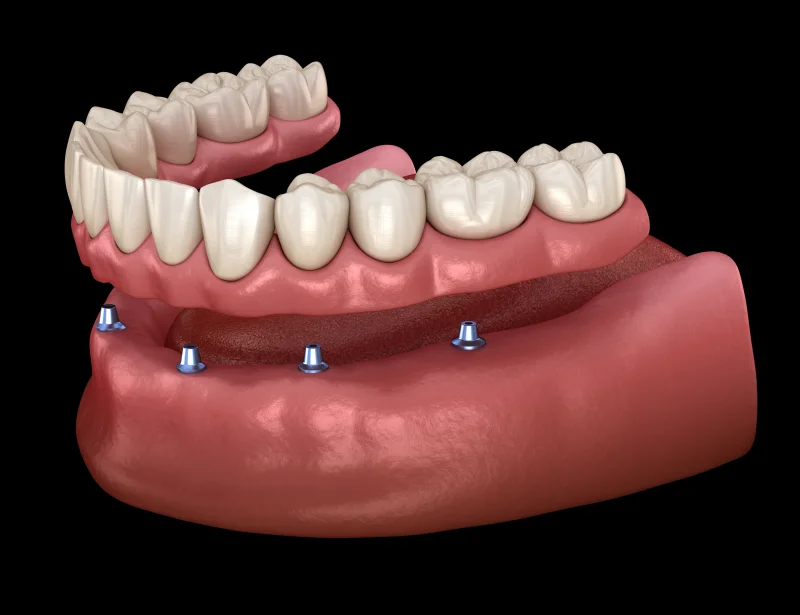
Multiple implants placed under general anesthesia for patients missing several teeth, completed in a single session.

Learn More

Treatment for Patients with a Strong Gag Reflex

Comfortable treatment under general anesthesia or sedation for patients with a strong gag reflex.

Learn More

Treatment for Patients Requiring Special Care

Safe dental treatment under general anesthesia for people with disabilities, older adults and patients with special healthcare needs.

Learn More
ABOUT THE OPERATING ROOM

For All Dental Treatments:
General Anesthesia and Operating Room Support

We plan dental treatments that require general anesthesia or sedation based on the assessment of the dentist and the Specialist in Anesthesiology and Reanimation. We organize pre-procedure preparation, monitoring during anesthesia and post-procedure follow-up according to the patient's general health and treatment needs.

Physician Assessment

Dental treatment is planned by **jointly assessing the patient's oral and dental findings, general medical condition, existing risk factors and individual treatment needs.

Preparing for Treatment

A Safe Environment, Advanced Technology and Controlled Sterilization for Your Treatment

Flexible Appointments

Easy Appointment Scheduling at Times That Suit You

Explore the Operating Room
Dental clinic and operating room environment
APPOINTMENT SYSTEM

Schedule Your Appointment for Operating Room Use
How Can You Book?

You can easily schedule your appointment. Choose a day and time slot that suits you to submit your appointment request.

View the Appointment Process

Appointment Planning for Patients

If you are planning dental treatment, **you can contact us to schedule your appointment based on your treatment needs and suitable time options.**

Appointment Planning for Dentists

Contact us for information on operating room use, planning patient care pathways and institutional collaboration.

KNOWLEDGE CENTER

Useful Information
for Your Health

Our detailed guides on dental treatments, patients with special healthcare needs and everything else you may want to know.

Dental Treatment Under General Anesthesia

Dental Treatment Under General AnesthesiaMost dental treatments can be carried out under local anesthesia while the patient is awake . However, in some children and adults, severe fear of the dentist, a strong gag reflex, difficulty cooperating with treatment, special healthcare needs or the need for extensive dental treatment can make it difficult to continue treatment in a standard dental chair. In these situations, different approaches may be considered depending on the patient's individual characteristics. Dental treatment under general anesthesia is one of these options.General anesthesia, often referred to informally as “sleep dentistry” , is not necessary or suitable for every patient. When planning treatment, alternatives are considered first, such as local anesthesia, communication and behavior guidance techniques, dividing treatment into shorter sessions and, for suitable patients, sedation.The decision to use general anesthesia is not based solely on the number of dental procedures required. The patient's age, general health, ability to cooperate with treatment, the scope of the planned procedures and the feasibility of alternative methods should all be evaluated together. Current pediatric dentistry guidance also recommends that behavior guidance techniques be tailored to the individual, particularly in children, and that sedation and general anesthesia be regarded as advanced options that require careful evaluation. (AAPD)What Is General Anesthesia?General anesthesia is a controlled state of unconsciousness induced with medications and reversed when their administration is stopped. During the procedure, the patient is not aware of what is happening around them.General anesthesia does not simply mean “putting the patient to sleep.” A major part of the anesthesia process involves assessing and managing the airway, breathing, circulation and other essential vital functions.The anesthetic medications and the technique used are determined by factors such as the patient's age, weight, existing medical conditions, current medications, airway characteristics and the scope of the planned procedures.While the dentist carries out the oral and dental treatment, the Specialist in Anesthesiology and Reanimation is responsible for the patient's anesthesia assessment and anesthesia management. Dental treatment under general anesthesia is therefore a multidisciplinary process in which dental treatment and anesthesia management take place simultaneously.Who May Be Considered for Dental Treatment Under General Anesthesia?The need for general anesthesia varies from person to person. Being afraid of the dentist or needing more than one dental treatment does not, on its own, mean that general anesthesia will be used.Nevertheless, general anesthesia may become an option in certain situations.Some patients with severe dental anxiety or dental phobia may have difficulty sitting in the dental chair, keeping their mouth open long enough or continuing with treatment. When short appointments, adjustments in communication and, where appropriate, sedation are not sufficient, general anesthesia may additionally be considered.Some people with a strong gag reflex may be unable to tolerate an impression tray, an X-ray sensor or dental instruments being placed in the mouth. For suitable patients in whom necessary dental procedures cannot be performed under standard conditions because of gagging, nausea or vomiting, different anesthesia options may be considered.In patients with special healthcare needs, characteristics related to communication, sensory sensitivity or movement control can make treatment more difficult. However, having special healthcare needs or a particular diagnosis does not, on its own, mean that general anesthesia is required.In some patients, the need for extensive dental treatment may be combined with difficulty cooperating with treatment. In such cases, dividing treatment into separate sessions, sedation or general anesthesia are evaluated on an individual basis.General Anesthesia for Children's Dental TreatmentWhen planning dental treatment for children, clinicians consider not only the number of cavities but also the child's age, developmental stage, dental treatment needs, the presence of pain or infection and their capacity to cooperate with treatment.Young children in particular may not always be able to understand a lengthy dental procedure, keep their mouth open for a long time or stay still. On the other hand, many children can gradually adapt to dental treatment with appropriate communication and behavior guidance techniques.For this reason, general anesthesia is not necessary for every anxious child or for every child with multiple cavities.The approaches that can be used in children are considered in a stepwise manner, from simple to more advanced methods. Familiarization with the clinical environment, explanation, behavior guidance and local anesthesia may be sufficient for some children. Sedation may be considered for suitable patients. In some children for whom the necessary treatment cannot be carried out with these methods, or who have other clinical needs, general anesthesia may become an option.The AAPD's current approach also recommends evaluating the child's medical history, developmental characteristics, previous treatment experiences, the urgency of treatment and alternative methods together. (AAPD)General Anesthesia for Patients with Special Healthcare NeedsDental treatment for patients with special healthcare needs should be planned on an individual basis.Additional adjustments may be needed during dental treatment for individuals with sensory characteristics associated with the autism spectrum, Down syndrome, developmental or cognitive differences, difficulties with movement control or different communication needs.However, two people with the same diagnosis will not necessarily have the same dental treatment needs or respond to treatment in the same way.Some individuals can be treated under local anesthesia, while others may need shorter appointments or adjustments to the environment. Sedation may be considered for some patients. In selected cases where the necessary dental procedures cannot be carried out despite other methods, general anesthesia may be an option.The core approach is not to plan general anesthesia directly on the basis of a person's diagnosis, but to determine a feasible method according to the individual's needs and a clinical evaluation.Fear of the Dentist and General AnesthesiaFor some people, fear of the dentist takes the form of mild anxiety, while for others it can be severe enough to cause them to postpone treatment altogether.Negative past experiences, fear of needles, worry about pain, the sound of dental equipment or a feeling of losing control during treatment can all increase dental anxiety.In such cases, general anesthesia is not always the first approach. It is important to understand which stage of treatment the patient fears and to create a plan accordingly.For a patient with fear of the dentist, treatment can be planned using options such as communication, short appointments, gradual desensitization, local anesthesia and, where appropriate, sedation. General anesthesia may additionally be considered for some patients in whom the necessary treatment cannot be carried out with these methods.What If a Strong Gag Reflex Prevents Dental Treatment?Some patients report that they cannot tolerate an impression tray in their mouth, cannot bear an X-ray sensor or gag intensely when dental instruments approach the back of the mouth.Although this is often informally described as “nausea reflex” , in most cases it is actually a strong gag reflex.First, the procedures that trigger the reflex can be identified. Methods such as smaller dental instruments, shorter working intervals, adequate suction or, for some treatments, digital impressions may help.Sedation may be considered for suitable patients in whom anxiety markedly intensifies the gag reflex.For some patients in whom the necessary dental treatment cannot be carried out by other methods because of gagging, nausea or vomiting, dental treatment under general anesthesia may be considered as an alternative.It should also be understood that general anesthesia does not permanently treat the underlying cause of the gag reflex.How Is a Patient Evaluated Before General Anesthesia?One of the key stages of the general anesthesia process is the pre-procedure medical evaluation.The Specialist in Anesthesiology and Reanimation evaluates the patient's existing medical conditions, regular medications, allergies, previous surgery and anesthesia experiences, and airway characteristics.Any significant event during a previous anesthetic must be reported. In addition to regularly used prescription medications, information should also be provided, where relevant, about over-the-counter products and supplements.Not every patient needs the same tests. The need for tests is determined by the patient's health status and the planned procedure.For children, it is also important to inform the anesthesia team before the procedure about recent changes such as a febrile illness, cough or respiratory tract infection.The Royal College of Anaesthetists also emphasizes the importance of discussing the person's health status, medications, previous anesthesia experiences and anesthesia options with the patient before anesthesia. (The Royal College of Anaesthetists)Why Is Fasting Important Before General Anesthesia?Before general anesthesia, the patient is given specific instructions about eating and drinking.This period may not be the same for everyone. The type of food or fluid, the patient's age and their medical condition can all affect the preparation plan.Therefore, the individual instructions given by the anesthesia team should be followed rather than general fasting times found on the internet.Regular medications should also not be stopped or have their doses changed without a physician's advice.If the preparation instructions cannot be followed, the healthcare team should be informed.How Is Dental Treatment Under General Anesthesia Performed?On the day of the procedure, the patient's identity, health information, preparation status, dental treatment plan and required consents are checked first.Once anesthesia has been induced, monitoring appropriate to the patient's clinical condition is carried out. Heart rhythm, blood pressure, oxygenation, breathing and other necessary physiological parameters are assessed throughout the procedure.While the anesthesia team continues to manage the patient's anesthesia and vital functions, the dentist carries out the planned dental procedures.During treatment, new findings in the mouth that could not be assessed beforehand may emerge. For this reason, some parts of the dental plan may be reassessed according to the clinical findings.Once the procedures are complete, the anesthesia is discontinued and the patient is monitored during the recovery period.Which Dental Treatments Can Be Performed Under General Anesthesia?Depending on the patient's needs, various dental treatments may be planned under general anesthesia.These may include fillings and restorative treatments, root canal or pulp treatments on suitable teeth, tooth extractions, necessary surgical procedures, periodontal treatments and, in suitable patients, implant surgery.However, the use of general anesthesia does not mean that all teeth will be extracted or that all procedures will necessarily be carried out in the same session.Teeth that can be preserved should be evaluated according to their clinical condition.Implant or prosthetic treatments may also require separate appointments for healing, impressions, try-ins and prosthetic stages.Can All Dental Treatment Be Completed in a Single Session?Under general anesthesia, in suitable patients, more than one dental procedure may be planned in the same session.This approach may form part of the treatment plan, particularly for people who find it difficult to cope with repeated appointments.However, it cannot be guaranteed that all treatment will be completed in a single session.The scope of surgical procedures, the patient's general condition, the length of the procedure and treatments that require healing time must all be taken into account.The aim is not to perform as many procedures as possible, but to carry out the necessary dental treatment to an extent appropriate to the patient's clinical condition.Are General Anesthesia and Sedation the Same Thing?No.Sedation and general anesthesia are different procedures.During sedation, the patient's anxiety and awareness of their surroundings are reduced. Depending on the level of sedation, the patient may be able to respond to verbal instructions.General anesthesia, on the other hand, involves a controlled loss of consciousness.Sedation and general anesthesia are also not substitutes for local anesthesia. When dental pain control is needed, local anesthesia may be administered in addition.The choice of method should be based not on the question “which is better?” but on the question “which approach is more appropriate for this patient and the treatment to be performed?” .Does General Anesthesia Carry Risks?General anesthesia is a medical procedure and cannot be described as completely risk-free.The level of risk is not the same for everyone. The patient's age, general health, coexisting conditions, medications, airway characteristics and the scope of the procedure can all influence the evaluation.After anesthesia, some patients may experience temporary effects such as nausea, drowsiness, shivering or throat discomfort.More serious complications are also medically possible. It is therefore not appropriate for a person to judge their own risk based on other patients' experiences or on general information found online alone.Individual anesthesia risks should be evaluated before the procedure by a Specialist in Anesthesiology and Reanimation.What Happens After General Anesthesia?Once dental treatment is complete, the anesthetic medications are discontinued and the patient enters a controlled recovery process.During this period, the patient's level of consciousness, breathing, circulation and general condition are monitored.In suitable patients, following the necessary observation and clinical assessment, same-day discharge may be considered. Some patients may require longer observation.After discharge, the personalized recommendations given regarding eating and drinking, medications, oral care and physical activity should be followed.For children, supervision by a responsible adult after the procedure is important.What Questions Can Be Asked When Deciding on General Anesthesia?During the evaluation, patients or families may discuss the following topics with the healthcare team:Why is general anesthesia being considered?Could the treatment be done under local anesthesia or sedation?Which dental treatments are planned?Is it expected that all procedures will be done in the same session?What are the individual anesthesia risks?What preparations need to be made before the procedure?What kind of follow-up will be needed after treatment?Discussing these questions openly can help patients and their families better understand the treatment process.ConclusionDental treatment under general anesthesia is one of the options that may be considered for some children and adults in whom the necessary treatment is difficult to carry out under standard dental conditions.Severe fear of the dentist, a strong gag reflex, difficulty cooperating with treatment, certain special healthcare needs or the need for extensive dental treatment may lead to general anesthesia being considered. However, the presence of any one of these on its own does not mean that general anesthesia will be used.Alternatives such as local anesthesia, communication and behavior guidance techniques and, for suitable patients, sedation should be considered first.While the dentist plans the necessary dental treatment, the Specialist in Anesthesiology and Reanimation carries out the patient's anesthesia evaluation and anesthesia management.The core approach is not to steer the patient toward a particular anesthesia method, but to create an individualized treatment plan by evaluating dental needs, general health, ability to cooperate with treatment and the available alternatives together.This article has been prepared for general information purposes. Decisions about general anesthesia, sedation or dental treatment should be made on an individual basis by the relevant healthcare professionals following the person's medical and dental evaluation.

Learn More

How Is Dental Treatment Under General Anesthesia Performed for Children?

How Is Dental Treatment Under General Anesthesia Performed for Children?A Guide for Families on Dental Treatment Under General AnesthesiaDental treatment in children is not only about treating cavities or relieving pain. The child’s age, developmental level, communication with the dentist, previous experiences and the extent of the treatment needed should all be assessed together. Most children can adapt to dental treatment with appropriate communication, behavior guidance techniques and local anesthesia.For some children, however, it can be difficult to carry out dental treatment in a conventional dental chair. Different options may be considered in situations such as a very young age, intense anxiety, special needs or the need to treat many teeth within the same period.One of these is what is commonly called “putting the child to sleep for dental treatment”, in other words dental treatment under general anesthesia.However, general anesthesia is not necessary for every child. The decision should be made by assessing the child’s dental needs, general health, age, developmental characteristics and alternative treatment methods together.Why Can Dental Treatment Sometimes Be Difficult for Children?Children react to the dentist in very different ways. Some children can easily adapt to the environment from the first examination, while others may feel anxious because of a new environment, unfamiliar sounds or procedures carried out inside the mouth.Young children in particular may not always be able to understand why treatment is needed as adults do, or to stay still for long periods.Situations that can make treatment more difficult include a young age, intense dental anxiety, previous negative experiences, certain developmental or communication difficulties, a severe gag reflex and the need for extensive treatment.What matters here is not simply whether the child cries. The dentist assesses the child’s ability to communicate, the length of the procedure, the pain situation and whether postponing treatment would be appropriate, all together.A child being afraid of the dentist does not, on its own, mean that general anesthesia is needed.In the current approach to pediatric dentistry, there is a range of options, from behavior guidance techniques such as communication, tell-show-do, distraction and desensitization to sedation and general anesthesia. The method to be used is determined according to the child.What Does “Putting a Child to Sleep for Dental Treatment” Mean?From a medical point of view, “putting a child to sleep for dental treatment” does not refer to a single method. Families may use this expression for both sedation and general anesthesia. However, sedation and general anesthesia are different procedures.Sedation aims to reduce the child’s anxiety and make it easier for them to cooperate with treatment. The level of sedation may vary depending on the method used and the child’s condition.Under general anesthesia, the child is unconscious and is continuously monitored by the anesthesia team throughout the procedure.For this reason, one of the most important things for families, even before asking “Will my child be put to sleep?”, is to find out which anesthesia method is planned and why it has been chosen.Which Children May Be Considered for General Anesthesia?There is no single criterion for general anesthesia that applies to all children.For example, for a very young child who cannot provide the cooperation that treatment requires, general anesthesia may be one of the options when many teeth need treatment.Similarly, an assessment may also be made for some children who experience severe dental anxiety or who have difficulty communicating or staying still for long periods.For children with special healthcare needs, the situation is also individual. Having a special need does not, on its own, mean that general anesthesia is required.In the current AAPD guideline, general anesthesia is recognized as one of the advanced behavior guidance options in pediatric dentistry, and it is recommended that factors such as medical history, the child’s temperament and development, the necessity of treatment, previous experiences, alternative methods and informed consent be taken into account when making the decision.How Is a Child Examined Before General Anesthesia?Treatment planning has two main parts: the dental assessment and the anesthesia assessment.The dentist carries out as detailed an oral examination as possible. Where considered necessary, radiographs are used to determine which teeth need treatment.The depth of the cavities, the condition of the primary and permanent teeth, the presence of infection and the long-term prognosis of the teeth can affect the treatment plan.The anesthesiologist assesses the child from a different perspective. The child’s past illnesses, medications, known allergies, previous surgeries and experiences with anesthesia are asked about.It is important to inform the anesthesia team of any recent fever, cough, cold or respiratory tract infection.The tests considered necessary from an anesthesia perspective may also not be the same for every child. The assessment is based on the child’s age, health and the nature of the procedure to be performed.Why Does a Child Need to Fast Before General Anesthesia?One of the important preparations before general anesthesia is following the instructions on eating and drinking.The anesthesia team informs families until what time the child may eat and which fluids they may drink, and until when.The purpose of these rules is to help reduce the risk of stomach contents entering the airway during anesthesia. The Royal College of Anaesthetists also recommends that families carefully follow the fasting and fluid instructions they are given.Rather than determining the fasting period from general information found on the internet, the anesthesia instructions given specifically for the child should be followed.If the child has accidentally eaten or drunk something, this should not be hidden from the healthcare team.What Happens During General Anesthesia?On the day of the procedure, the child’s identity, health and treatment information are checked. The anesthesia team reviews the assessment carried out earlier.Once general anesthesia has started, the child is not aware of the procedures being performed. During this time, breathing, the cardiovascular system and other necessary physiological parameters are monitored by the anesthesia team.The monitoring used during anesthesia is adjusted according to the child’s age, health and the nature of the procedure.The dentist carries out the necessary dental procedures in line with the treatment plan prepared in advance.There are two separate areas of responsibility here: the anesthesiologist manages the child’s anesthesia and physiological monitoring, while the dentist carries out the dental treatment.The current AAP/AAPD guideline on sedation in children also emphasizes the importance of pre-procedure assessment, appropriate fasting, airway assessment, the availability of the necessary equipment, adequately trained staff, physiological monitoring and appropriate recovery conditions.Are All Dental Treatments Performed in the Same Session?When general anesthesia is planned, families often ask, “Will all the teeth be treated at the same time?”Under general anesthesia, where possible, addressing the planned dental procedures comprehensively may be considered. However, this does not mean that every tooth must be treated or that all procedures must be completed in a single session.The dentist assesses which teeth genuinely need treatment, when the primary teeth are due to fall out, the development of the permanent teeth and the long-term condition of each tooth.The aim is not to carry out unnecessary procedures, but to create a treatment plan that suits the child’s current oral and dental health needs.In some cases, the plan prepared in advance may need to be changed because of the detailed intraoral assessment carried out during the procedure.Is General Anesthesia Safe for Children?This is one of the questions families most often wonder about.General anesthesia is a medical procedure and it is not correct to speak of zero risk for any medical procedure. The level of risk is not the same for all children.The assessment of a healthy child may differ from that of a child with certain cardiac, respiratory, metabolic or developmental conditions.After anesthesia, some children may temporarily experience drowsiness, restlessness, nausea, throat discomfort or grogginess. Other undesirable events are also medically possible.For this reason, rather than answering the question “Is general anesthesia safe?” with a simple yes or no, assessing the child’s individual risks with the anesthesiologist is a more appropriate approach.The Royal College of Anaesthetists also recommends that common side effects and the child’s individual risks are discussed with families before general anesthesia in children.When Does a Child Wake Up After General Anesthesia?After the dental procedures are completed, the anesthetic medications are stopped and the child enters the waking-up phase.During this period, the child’s breathing, circulation, level of consciousness and general condition are monitored.Children do not all wake up in the same way. Some wake up calmly, while others may briefly cry or be restless or confused.The time of discharge is also not the same for every child. The decision is made by assessing the child’s health, the procedures performed and their recovery after anesthesia.After discharge, the family should be given information about eating and drinking, medication use, oral care and in which situations they should contact the healthcare team.General Anesthesia or Sedation?This is another question families often face.It may not be appropriate to compare these two methods as “better” or “worse” than each other.For some children, behavior guidance techniques alone are sufficient. For others, treatment can be carried out with local anesthesia and behavior management. Sedation may be considered for suitable patients. In some clinical situations, general anesthesia may be considered.The key question should not be “Which method is better?” but “Which method is more appropriate for this child and this planned treatment?”What Questions Can Families Ask the Doctor?It is important for families who are offered general anesthesia to understand the process before making a decision.Families can ask why general anesthesia is being considered, whether there are alternative methods, which teeth will be treated, the anesthesia risks specific to their child, the preparations before the procedure and what to expect afterwards.The purpose of this discussion is not to persuade the family toward a particular option, but to explain the benefits, limitations and possible risks of the options clearly.ConclusionDental treatment under general anesthesia for children is one of the methods that may be considered in some situations where conventional dental treatment is difficult to carry out.The decision to use general anesthesia is not based solely on the child being afraid or not wanting treatment. The child’s age and developmental level, general health, the extent of the treatment needed, capacity to cooperate and the alternative methods available should all be assessed together.From the dentist’s perspective, the main aim is to correctly identify the necessary dental treatment. From the anesthesiologist’s perspective, the child’s general health and individual anesthesia-related characteristics come first.Considering these two assessments together with the family helps create a treatment plan tailored to the child.For families, the most important approach is not to look for a standalone answer to the question “Should I have my child put to sleep?”, but to evaluate with the doctors why general anesthesia is being considered, whether other options exist, the procedures to be carried out and the risks specific to the child.This article has been prepared for general information purposes. Decisions about dental treatment, sedation or general anesthesia for children should be planned by the relevant doctors based on the child’s individual medical and dental assessment.

Learn More

Dental Treatment Under General Anesthesia for Patients with Special Healthcare Needs

Dental Treatment Under General Anesthesia for Patients with Special Healthcare NeedsOral and dental health is part of overall health and affects a person’s eating, speech, day-to-day comfort and quality of life. However, for some individuals with physical, developmental, intellectual, sensory or neurological differences, dental examination and treatment may need to be planned differently from standard practice.For this reason, dental treatment for patients with special healthcare needsshould be approached not simply as resolving existing problems in the mouth, but as a holistic process in which the person’s way of communicating, general health, daily life and capacity to cooperate with treatment are considered together.Having special needs does not mean that a person’s dental treatment must be carried out under sedation or general anesthesia. Many individuals can be treated in a conventional dental setting with appropriate communication, environmental adjustments, short appointments and behavioral adaptations.For some patients, however, because of communication difficulties, involuntary movements, intense anxiety, sensory sensitivities, coexisting health problems or the need for extensive dental treatment, dental treatment under general anesthesia may be considered as one of the options.The core approach here is not to steer the patient toward a particular method, but to determine which method is feasible for the person’s health, communication capacity and dental needs.What Does “Patient with Special Healthcare Needs” Cover?“Special healthcare needs” is a very broad concept. It can include individuals with physical, developmental, intellectual, sensory, behavioral, cognitive or emotional differences who may need additional arrangements when receiving healthcare.Autistic individuals, people with cerebral palsy, individuals with Down syndrome, patients with intellectual or developmental differences, people with certain neurological conditions and those with limited mobility may all fall within this broad group.However, two people with the same diagnosis may have completely different dental treatment needs.For example, one autistic individual may be treated comfortably in a conventional dental chair, while another may be markedly sensitive to light, sound or touch around the mouth.Therefore, the name of the diagnosis alone does not determine the treatment method.Why Is Oral Health Important for Patients with Special Healthcare Needs?Some people with special healthcare needs may find it difficult to carry out daily oral care independently. Limited manual dexterity, movement disorders, communication difficulties, eating patterns and the oral effects of certain medications can change a person’s oral health needs.That said, it is not accurate to say that every person with special healthcare needs is at high risk of tooth decay or gum disease. The risk varies according to the person’s daily oral care habits, diet, medical condition, medications and access to regular dental care.Some people with special healthcare needs may face various difficulties in accessing oral health services or maintaining regular care.Regular oral health assessment is therefore important not only for treating existing problems, but also for helping to reduce the need for more extensive treatment in the future.Why Can a Dental Examination Sometimes Be Difficult?The dental environment involves many different stimuli, such as bright lights, the sound of equipment, instruments used inside the mouth and work carried out close to the person’s personal space.Some people with special healthcare needs may find these stimuli difficult to tolerate.Limited communication, difficulty expressing pain or discomfort, being unable to stay in the same position for long, involuntary movements or difficulty opening the mouth can all affect examination and treatment.Sometimes a patient may be able to sit in the dental chair, yet taking intraoral X-rays may be difficult. Another patient may manage an examination but be unable to cooperate during lengthy restorative treatment.For this reason, rather than thinking in either-or terms — “treatment is possible or it isn’t” — it should be assessed which stages the patient can tolerate.Behavioral and Environmental Adaptations Can Be Considered FirstFor patients with special healthcare needs, the first approach is not always general anesthesia.Gradually familiarizing the patient with the clinical environment, planning short appointments, using language that is as simple and clear as possible, showing what will be done before the procedure, or drawing on the support of a caregiver can make treatment easier for some individuals.For autistic people or those with sensory sensitivities, environmental adjustments such as reducing light, noise and waiting time can also be helpful.For some patients, simply completing an examination may be the goal of the first appointment. Small procedures can then be introduced at later visits.Where possible, the aim is to provide dental care using the least restrictive method, supporting the person’s own capacity and independence.When May Sedation or General Anesthesia Be Considered?Behavioral adaptations and conventional clinical methods may not be sufficient for every patient.For example, for some individuals with severe communication difficulties, those whose involuntary movements make it hard to carry out dental procedures properly, or those who need extensive dental treatment, sedation or general anesthesia options may be considered.A similar assessment may be made for some individuals with intense dental anxiety.However, the decision to use general anesthesia should not be based solely on the reasoning that “the patient won’t stay in the dental chair.”The extent of treatment needed, the feasibility of alternative methods, the person’s general health, the potential benefits and risks of anesthesia, and the care arrangements after treatment should all be considered together.The feasibility of less restrictive methods, such as local anesthesia, behavioral approaches or, in suitable patients, sedation, may also be taken into account before deciding on general anesthesia.Assessment Before General AnesthesiaWhen anesthesia is being planned for a patient with special healthcare needs, not only the dental problems but the person’s entire medical condition is assessed.It is important to give the anesthesiologist information about existing medical conditions, previous surgeries, past experiences with anesthesia, known allergies and regularly used medications.The frequency of seizures and the medications used in a person with a history of epilepsy, positioning needs in a patient with limited mobility, or the current medical condition of someone with a respiratory problem can all affect the anesthesia plan.Some individuals may not be able to describe their own medical history in detail. This is why information provided by family members or caregivers becomes especially important.Where necessary, the anesthesiologist may request additional information or an assessment from the other doctors who follow the patient.How Is Dental Treatment Performed Under General Anesthesia?Once the decision for general anesthesia has been made, the dentist prepares a dental treatment plan that is as comprehensive as possible.After general anesthesia begins, the patient’s physiological status is monitored by the anesthesia team, while the dentist carries out the dental treatment.Two separate specialties work together here: the anesthesiologist is responsible for managing the patient’s anesthesia and vital functions, and the dentist is responsible for the oral and dental treatment.In patients with special healthcare needs, it may not have been possible to complete an examination or X-rays fully before the procedure. In such cases, the treatment plan may need to be changed after a detailed oral examination and the necessary imaging under general anesthesia.It is important to discuss this possibility beforehand with the family, the caregiver or, where applicable, the legal representative.Must All Teeth Be Treated in a Single Session?Having general anesthesia does not mean that every tooth in the mouth will necessarily be treated.The dentist considers which teeth need treatment, the prognosis of restorations, the periodontal condition and the likelihood of needing further intervention in the future.For some patients, it may be planned to complete the feasible procedures in the same anesthesia session. However, the main goal is not to perform as many procedures as possible, but to carry out the medically and dentally necessary treatment appropriately.The treatment plan may differ for each individual.How Are the Risks of General Anesthesia Assessed?General anesthesia is a medical procedure and cannot be described as zero-risk.The level of risk can be affected by the person’s age, general health, coexisting conditions, medications and the nature of the planned procedure.For this reason, it is not appropriate to give a single online answer to the question “Is general anesthesia safe for patients with special healthcare needs?” that applies to every patient.The anesthesiologist’s main role is to assess the patient’s individual characteristics, identify potential risks and develop the anesthesia plan accordingly.Families or caregivers asking the anesthesiologist about patient-specific risks and alternatives before the procedure is an important part of the decision-making process.After TreatmentOnce the dental treatment is complete, the patient is assessed in the post-anesthesia recovery area.Recovery time and a person’s behavior after the procedure can vary from individual to individual. Some people may experience temporary drowsiness, restlessness, nausea or a feeling of throat discomfort.The timing of discharge is determined by the person’s general health and recovery after anesthesia.For patients with special healthcare needs, the plan for going home and aftercare is also important. Who will give the patient’s medications, how eating and oral care will be continued, and whom to contact in the event of an unexpected situation should be discussed with the family or caregiver.Why Is Preventive Dentistry Especially Important?Care does not end once dental treatment under general anesthesia has been completed.The long-term goal is to try to prevent new dental problems from developing as far as possible.Regular dental check-ups, oral hygiene methods suited to the person’s abilities, the use of fluoride toothpaste and a review of dietary habits are all part of a preventive approach.Some people with special healthcare needs can brush their teeth independently, while others may need partial or full assistance.For this reason, the care plan should be explained not only to the patient but, where necessary, to the family or caregiver as well.For some people, regular preventive care can help reduce the likelihood of new cavities or gum problems developing and limit the need for more extensive dental procedures in the future.The Role of Families and CaregiversFor patients with special healthcare needs, the family or caregiver is often an important source of information for the healthcare team.The patient’s way of communicating, what makes them uncomfortable, what helps them calm down, the medications they use, how they eat and their capacity for daily oral care can all be useful in treatment planning.At the same time, wherever possible, the individual themselves should be kept at the center of decision-making and communication.Regarding a person with special healthcare needs not merely as someone who receives care, but as an individual with their own preferences, needs and boundaries, is an important part of person-centered healthcare.ConclusionDental treatment for patients with special healthcare needs is too individual to be described by a single method or standard protocol.Some individuals can be treated in a conventional clinical setting with small environmental adjustments and appropriate communication. For some, sedation may be considered. For patients with more complex needs, dental treatment under general anesthesia may be one of the options.When deciding on general anesthesia, the patient’s dental needs, general health, capacity for communication and cooperation, the feasibility of less restrictive methods and the individual risks of anesthesia should all be considered together.While the dentist assesses the necessity and scope of dental treatment, the anesthesiologist focuses on the patient’s medical condition and anesthetic management. Families and caregivers can provide important information about the person’s daily life and medical history.The most appropriate approach is therefore a person-centered planning process in which the dentist, the anesthesiologist, the patient with special healthcare needs and, where necessary, the family or other healthcare professionals carry out the assessment together.This article has been prepared for general information purposes. Decisions about sedation, general anesthesia or dental treatment should be planned individually by the relevant healthcare professionals based on the person’s medical and dental assessment.

Learn More

Sleep Dentistry

What Is Sleep Dentistry?What You Need to Know About Dental Treatment Under Sedation and General Anesthesia“Sleep dentistry” is an everyday expression used to describe dental treatment carried out with the support of sedation or general anesthesia. From a medical perspective, however, sedation and general anesthesia are not the same procedure. The patient's level of consciousness, how their breathing is managed, the medications used and the monitoring required throughout the procedure can vary depending on the method.Most dental treatments can be carried out under local anesthesia while the patient is awake. Nevertheless, different approaches may be considered because of severe dental anxiety, difficulty cooperating with treatment, a severe gag reflex, certain special healthcare needs or extensive dental procedures.At this point, the real question is not “Should the patient be put to sleep?”; rather, “Which method is more appropriate for this person's dental needs and general health?” is the question that should be asked.The decision on sleep dentistry is shaped by considering the dentist's treatment plan together with the anesthesiologist's medical evaluation.Is Sleep Dentistry Sedation or General Anesthesia?One of the things patients most often confuse is the difference between sedation and general anesthesia.Sedation is a medication-based method used to reduce a person's anxiety, help them relax and make it easier for them to cooperate with the dental procedure. Sedation can be mild, moderate or deeper. The level of consciousness and of communication with the surroundings varies with the depth of sedation administered.For this reason, it is not always correct to say that “the patient is completely asleep” under sedation.Under general anesthesia, by contrast, the patient is unconscious and unaware of their surroundings during the procedure. The anesthesiologist monitors breathing, circulation and other vital functions and provides airway and breathing support when needed. During general anesthesia, physiological parameters such as heart rate, blood pressure, breathing and oxygenation are monitored.So although both procedures are commonly referred to as “sleep dentistry,” it is important to understand clearly which method will be used.Who May Be Considered for Sleep Dentistry?Not everyone who has dental anxiety or is scheduled for lengthy dental treatment needs sedation or general anesthesia.For some patients, communicating with the dentist, dividing treatment into stages, behavior guidance techniques and local anesthesia may be sufficient.Nevertheless, in people with severe dental anxiety, sedation or general anesthesia options may be considered in some situations where treatment cannot be carried out in the dental chair.Similarly, a severe gag reflex can make intraoral procedures considerably more difficult for some patients. Here too, different methods may be considered depending on the severity of the gag reflex and the nature of the planned treatment.In patients with special healthcare needs, communication, movement control or sensory sensitivities may affect treatment planning. However, having special healthcare needs does not, on its own, mean that general anesthesia is required.The approach is similar for children. Age, developmental stage, the scope of treatment needs, previous experiences and other available behavior guidance options should be evaluated together. Current pediatric dentistry guidelines also regard sedation and general anesthesia as more advanced behavior guidance methods and recommend that the decision be made following an evaluation specific to the child .Is General Anesthesia Necessary If You Have Dental Phobia?The degree of dental anxiety varies from person to person.Some patients feel apprehensive only before a procedure, while others may experience marked anxiety at the mere thought of dental treatment. More severe dental fear can make it difficult for the patient to cooperate with an examination or treatment.However, the presence of dental fear is not, on its own, an indication for general anesthesia.First, the degree of fear, the treatment required, the patient's past experiences and whether treatment could be carried out with simpler methods are evaluated.Some patients can cope with treatment through detailed explanation and short sessions. For others, sedation options may be considered. In different clinical circumstances, general anesthesia may become an option.The aim, therefore, is not to put the patient to sleep in order to “eliminate” the fear, but to determine the appropriate approach by assessing how the person can tolerate treatment.Is General Anesthesia Necessary for Lengthy Dental Treatments?Implant procedures, surgical procedures or full-mouth rehabilitation can sometimes take a long time. However, a long procedure does not, on its own, mean that general anesthesia is required.Many lengthy dental procedures can be carried out under local anesthesia.When considering general anesthesia or sedation, the patient's general health, anxiety level, ability to stay still, the nature of the procedures to be performed and the patient's preference, as well as the length of treatment, may be taken into account.In some cases, several procedures may be planned for the same session. However, the purpose of general anesthesia is not to perform as many procedures as possible.From a dental perspective, the main goal is to plan the treatment that is genuinely necessary in an appropriate way.How Do You Prepare for Sleep Dentistry?If sedation or general anesthesia is being considered, it is important to evaluate the patient's medical history before the procedure.The anesthesiologist may ask about the patient's existing medical conditions, regular medications, known allergies and previous experiences with surgery or anesthesia.Cardiovascular disease, respiratory disease, diabetes, hypertension, sleep apnea and certain neurological conditions are among the health problems that may be taken into account in anesthesia planning. However, having one of these does not automatically mean that general anesthesia cannot be performed; an individual risk assessment is required.It may also not be necessary to request the same blood tests or investigations from every patient. The necessary investigations can be determined according to the patient's health status and the planned procedure.Why Do You Need to Fast Before General Anesthesia?There are specific rules about eating and drinking before general anesthesia and some forms of sedation.The purpose of these rules is to help reduce the risk associated with stomach contents entering the airway during anesthesia.However, it is not appropriate for patients to set their own fasting period. The instructions given may differ depending on the anesthesia method and the patient's age and health status.For this reason, the eating and drinking instructions given by the anesthesia team must be followed before the procedure.If the patient has accidentally eaten or drunk anything within the recommended period, it is important to let the healthcare team know.How Is Sleep Dentistry Performed?On the day of treatment, the patient's information and the planned procedures are reviewed first.If general anesthesia is to be used, the anesthesiologist administers the necessary medications and the patient becomes unconscious. During this process, the patient's physiological functions are monitored by the anesthesia team.The dentist, in turn, carries out the previously prepared dental treatment plan.The responsibilities of the anesthesiologist and the dentist are distinct: the anesthesiologist is responsible for anesthesia management and monitoring vital functions, while the dentist carries out the oral and dental treatment.In some cases, a condition that could not be seen during the pre-procedure examination may become apparent after a more detailed assessment during treatment. In such situations, the dental treatment plan may need to be reassessed.How Is the Patient Monitored During Anesthesia?Monitoring is one of the fundamental elements of any anesthesia procedure.During general anesthesia, vital parameters such as heart rate and rhythm, blood pressure, oxygenation and breathing are monitored. The monitoring methods used may be expanded depending on the patient's condition and the anesthesia method.The setting in which the procedure is performed must also be appropriate for the planned type of anesthesia. In addition to the equipment needed for anesthesia and airway management, it is important to have equipment for managing unexpected situations and a suitable post-anesthesia monitoring area.Safety does not depend on a single device or a single person; patient assessment, the team, monitoring, the setting and post-procedure follow-up are all considered together.Is General Anesthesia Safe?It would not be correct to give a single “yes” or “no” answer that applies to everyone when patients ask, “Is sleep dentistry safe?”Every anesthesia procedure carries certain risks, and the level of individual risk can vary.Age, existing health problems, medications and the characteristics of the procedure to be performed all play a role in the risk assessment.After general anesthesia, some people may experience temporary effects such as nausea, vomiting, shivering, drowsiness or throat discomfort . More serious complications are also medically possible, but individual likelihoods differ depending on the patient's characteristics.This is why the pre-procedure consultation with the anesthesiologist is important. It is helpful for patients to ask during this consultation about the risks that are relevant to them and the possible alternatives.What Happens After Sleep Dentistry?Once the dental procedures are complete, the general anesthesia is discontinued and the patient begins to wake up.During this period, the level of consciousness, breathing and circulation are monitored. Some people come round quickly, while in others temporary drowsiness or grogginess may last longer.The time of discharge may not be the same for every patient. It is decided according to the anesthesia method used, the dental treatment performed and the patient's general condition.After general anesthesia or some forms of sedation, the instructions given by the anesthesia team regarding driving, going home alone and when to resume daily activities should be followed. It has been reported that reflexes and decision-making ability may be affected for a period after general anesthesia.Sedation or General Anesthesia: Which Is More Appropriate?It is not appropriate to compare these two methods in terms of “which is better?”For some patients, local anesthesia is sufficient. For others, sedation can make it easier to cooperate with treatment. In different dental and medical circumstances, dental treatment under general anesthesia may be considered.The most appropriate method is determined by evaluating the patient's general health, age, the scope of treatment, anxiety level, ability to cooperate and the feasibility of alternative methods together.It may be helpful for the patient or their family to get answers to the following questions before making a decision: Why is sedation or general anesthesia being considered? Is treatment possible under local anesthesia? Which procedures are planned? What are the individual anesthesia risks? What will the post-procedure process involve?ConclusionSleep dentistry is a general expression commonly used to describe dental procedures carried out with the support of sedation and general anesthesia. Medically, however, these methods are different from each other and are not applied in the same way to every patient.A large proportion of dental treatments can be carried out under local anesthesia. In some clinical situations where this is not sufficient or is difficult to apply, sedation or general anesthesia options may be considered.In the decision-making process, the necessity of dental treatment, the patient's general health, their level of anxiety and cooperation, alternative methods and the individual risks related to anesthesia should all be considered together.While the dentist evaluates the scope of the dental treatment to be performed, the anesthesiologist evaluates the anesthesia method and the patient's specific medical conditions. In this way, the treatment plan can be tailored to the individual.Therefore, questions such as “Is sleep dentistry safe?” or “Is general anesthesia right for me?” should be answered not just on the basis of general information, but following an individual dental and anesthesia evaluation.This article has been prepared for general information purposes. Decisions on sedation, general anesthesia or dental treatment should be evaluated individually by the relevant healthcare professionals according to the person's health status and treatment needs.

Learn More
FREQUENTLY ASKED QUESTIONS

Your Questions Answered

Answers to the questions our patients ask most often.

Yes, the first examination and consultation are free of charge. After a detailed examination, we create a treatment plan that suits you together.
Modern anesthesia is very safe. A detailed assessment is carried out before the procedure and all risks are kept to a minimum. Our specialist anesthesia team is with you throughout the process.
Yes. After a few hours of observation following the procedure, you are discharged on the same day. However, you must leave with a companion and must not drive for 24 hours.
Yes. With our pediatric anesthesia specialists, we provide a safe treatment environment for your children. Anesthesia protocols are tailored to your child's age and health.
You can fill in the online appointment form on our website or call us on +905010539090. We will find the most convenient time for you together.
CONTACT

Contact Us

Get in touch with us for appointments, questions and suggestions.

Go to the Contact Page

Address

ATATÜRK CAD.118 SANCAKTEPE

Opening Hours

Monday - Saturday: 09:00 - 19:00

Sunday: Closed

Send a Message

WhatsApp Call